Source drool absorption baby silicone bib for Feeding, Bathing, and Teething
Find 30 options for drool absorption baby silicone bibs featuring eco-friendly materials and customization. Compare specifications from suppliers in China, including silicone and cotton variants, to select the best fit for your baby product line.
Key considerations
Products List






Comprehensive Sourcing Guide
Drool Absorption Baby Silicone Bib Sourcing Guide
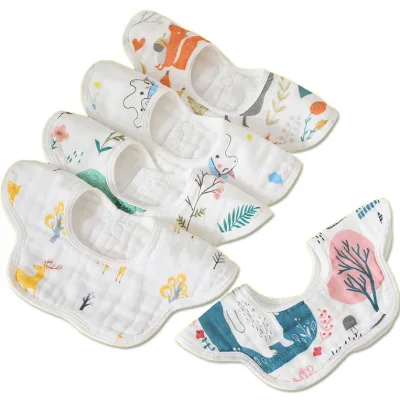
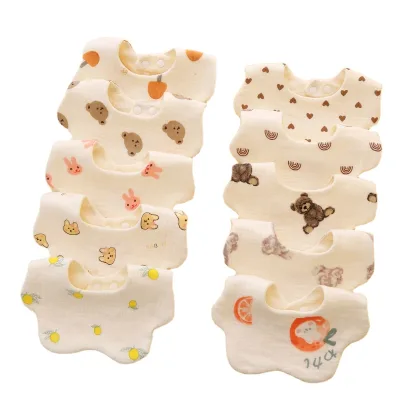
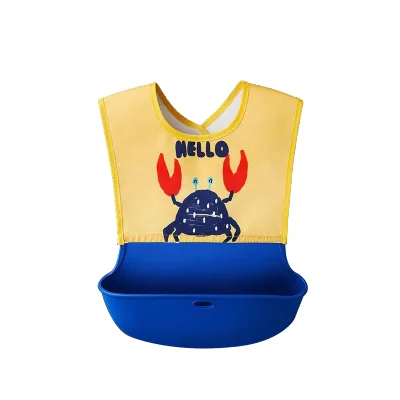
Sourcing baby bibs that balance effective drool management with material safety requires a nuanced understanding of product variations, as the term "silicone bib" often overlaps with fabric-based alternatives in supplier catalogs. Buyers must distinguish between pure silicone products, which offer waterproof durability, and hybrid or fabric options, such as those made from cotton or bamboo blends, which prioritize softness and absorbency. The observed market data indicates a diverse range of materials, including 100% silicone and 100% cotton, alongside mixed fabrics like 70% bamboo and 30% cotton. This diversity means that procurement teams cannot assume all listings labeled as "silicone bibs" are made entirely of silicone; some may be fabric bibs with silicone pockets or entirely different materials marketed under similar keywords.
The procurement strategy must account for significant variations in customization capabilities, minimum order quantities (MOQs), and technical specifications. While some suppliers offer low MOQs starting from a single piece, others require bulk orders of 500 pieces or more, which directly impacts inventory risk and cash flow for new product launches. Furthermore, the presence of features like "yarn dyed" techniques, compression molding processes, and various packaging options suggests that suppliers are equipped for both standard off-the-shelf purchases and highly customized OEM/ODM projects. Buyers need to align their order volume and design requirements with the specific capabilities of the supplier, ensuring that the chosen partner can deliver the desired balance of quality, speed, and cost efficiency.
Product Scope and Observed Listing Signals
The product scope for baby bibs in this category spans multiple material compositions and functional designs, reflecting the varied needs of infants from newborns to toddlers. Listings indicate materials ranging from pure silicone to natural fibers like cotton and bamboo blends, each offering distinct advantages in terms of durability, washability, and skin comfort. For instance, silicone bibs are often highlighted for their eco-friendly and anti-bacterial properties, while fabric bibs may emphasize softness and high absorbency through materials like gauze or bamboo. The age specifications provided, covering ranges from 0-6 months to 19-24 months, suggest that buyers should select products based on the developmental stage of the target consumer, as drool volume and chewing behaviors change significantly over time.
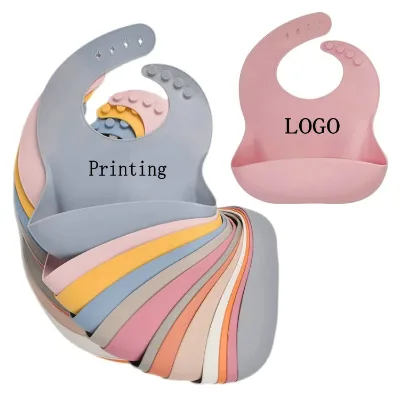
Observed listing signals reveal a strong emphasis on customization and branding opportunities, with many suppliers offering logo printing, custom packaging, and design workability. Attributes such as "OEM," "ODM Service," and "Customized" packing indicate that brands can tailor products to their specific identity, whether through unique shapes, colors, or branded packaging like OPP bags, PVC bags, or gift boxes. However, buyers must be cautious of conflicting information, such as varying MOQs and packing descriptions, which may indicate that different suppliers or even different product lines within the same catalog have distinct operational requirements. It is essential to verify the specific attributes of each SKU, as general listing descriptions may not apply to every item, particularly regarding material composition and certification status.
Technical Specifications to Verify
Technical verification is critical when sourcing baby bibs, particularly regarding material composition and manufacturing processes. Buyers should confirm whether the product is made from 100% silicone, which typically involves compression molding, or from fabric materials like cotton or bamboo blends, which may use techniques such as yarn dyeing or printing. The shore value, ranging from 20-90A in some listings, is a key indicator of silicone hardness and flexibility, which affects the bib's comfort and durability. For fabric bibs, the fabric composition, such as 70% bamboo and 30% cotton, should be verified to ensure it meets the desired balance of absorbency and softness. Additionally, the presence of features like "anti-bacterial" or "eco-friendly" claims should be backed by specific material certifications or test results, rather than relying solely on marketing terms.
Packaging and labeling specifications also require careful attention, as they impact both product protection and brand presentation. Listings show a variety of packaging options, including bulk packing, OPP and box combinations, and customizable gift boxes, each with different cost and logistical implications. Buyers should verify the single package size and gross weight to calculate shipping costs accurately, as dimensions like 20x20x10 cm and weights around 0.1 kg can significantly affect freight charges. Furthermore, the availability of custom packaging and logo printing should be confirmed, along with any associated costs or minimum order requirements for customization. Ensuring that the packaging is durable and suitable for the product's material, whether silicone or fabric, is essential to prevent damage during transit and storage.
Compliance and Safety Documentation
Compliance and safety are paramount when sourcing products for infants, and buyers must ensure that all bibs meet relevant international and regional safety standards. While some listings mention certifications like GOTS (Global Organic Textile Standard), this is typically applicable to fabric products rather than silicone items. Buyers should verify that silicone bibs comply with food-grade silicone standards, such as FDA or LFGB regulations, to ensure they are safe for teething and chewing. For fabric bibs, GOTS certification confirms organic fiber content and responsible manufacturing practices, but buyers should also check for other relevant certifications, such as OEKO-TEX, which tests for harmful substances. It is crucial to request current and valid certification documents from suppliers, as certifications can expire or be revoked if manufacturing processes change.
Safety documentation should also include test reports for physical and chemical properties, such as tensile strength, colorfastness, and the absence of hazardous chemicals like phthalates or heavy metals. Buyers should verify that the products have undergone appropriate testing for small parts, choking hazards, and flammability, depending on the target market. For silicone bibs, testing for migration of substances into food or saliva is essential, while for fabric bibs, testing for pH value and formaldehyde content may be required. Buyers should not rely solely on supplier claims of "best quality" or "eco-friendly" status but should demand concrete evidence through third-party test reports or audit results. Ensuring that all safety documentation is up-to-date and applicable to the specific product model is a non-negotiable step in the procurement process.
Cost Drivers and Commercial Terms
Cost drivers for baby bibs include material selection, customization level, order volume, and packaging complexity. Silicone bibs, particularly those made from high-quality, food-grade silicone, may have higher material costs but offer longer lifespans and easier cleaning, potentially reducing long-term replacement costs. Fabric bibs, especially those made from organic cotton or bamboo, may have higher material costs due to the sourcing of organic fibers but can be more cost-effective for high-volume, low-margin products. Customization, such as logo printing, custom shapes, or unique packaging, adds to the unit cost and may require higher MOQs, which can impact cash flow. Buyers should analyze the total cost of ownership, including shipping, duties, and potential returns, rather than focusing solely on the unit price.
Commercial terms, including MOQ, lead times, and payment terms, vary significantly among suppliers and should be negotiated based on the buyer's volume and relationship with the supplier. Some suppliers offer low MOQs starting from one piece, which is ideal for sampling or small batch testing, while others require orders of 500 pieces or more, which may be necessary for cost efficiency. Lead times for samples and bulk orders should be confirmed, as delays can impact product launches and inventory levels. Buyers should also clarify payment terms, such as deposits and balance payments, and ensure that they are aligned with their financial policies. Understanding the supplier's supply type, whether they offer ODM, OEM, or in-stock items, can also help in negotiating better terms and ensuring consistent supply.
Supplier Qualification and Quality Control
Supplier qualification involves assessing the manufacturer's capabilities, reputation, and quality management systems. Buyers should verify the supplier's experience in producing baby bibs, their production capacity, and their ability to handle customization requests. Suppliers with OEM/ODM services and a history of working with international brands may have more robust quality control processes and better understanding of compliance requirements. It is also important to check the supplier's location, as some listings indicate origins in China, Jiangsu, or Hebei, which may have different regulatory environments and logistical advantages. Buyers should request references or case studies from existing clients to gauge the supplier's reliability and product quality.
Quality control measures should be established before placing orders, including pre-production samples, in-process inspections, and final random inspections. Buyers should define clear quality standards for materials, dimensions, stitching, and packaging, and ensure that the supplier has the capability to meet these standards. For silicone bibs, checking for uniformity in color, texture, and molding is essential, while for fabric bibs, inspecting for loose threads, color bleeding, and fabric consistency is critical. Buyers may also consider hiring third-party inspection agencies to conduct audits and inspections, especially for large orders or new suppliers. Establishing a clear process for handling defects and returns is also important to mitigate risks and maintain product quality.
Long-Term Procurement Checks
Long-term procurement checks involve continuous monitoring of supplier performance, product quality, and market trends. Buyers should regularly review supplier metrics, such as on-time delivery rates, defect rates, and responsiveness to issues, to ensure that the partnership remains beneficial. It is also important to stay updated on changes in safety regulations and consumer preferences, as these can impact product requirements and market demand. Buyers should periodically re-evaluate their supplier base to ensure they are getting the best value and quality, and be open to exploring new suppliers if current ones fail to meet expectations. Building a strong relationship with suppliers through regular communication and feedback can also help in improving product quality and service over time.
Sustainability and ethical sourcing are increasingly important factors in long-term procurement strategies. Buyers should assess their suppliers' environmental practices, such as waste management, energy usage, and use of eco-friendly materials, to align with their corporate social responsibility goals. For fabric bibs, verifying the sustainability of fiber sources, such as organic cotton or bamboo, can enhance brand value and appeal to environmentally conscious consumers. Buyers should also consider the end-of-life disposal of products, encouraging suppliers to use recyclable or biodegradable packaging materials. By integrating sustainability into their procurement strategy, buyers can not only reduce environmental impact but also differentiate their products in a competitive market.
FAQs
Can I customize the logo on the silicone bib?
Yes, logo printing is available for this product. The supplier offers customization services including OEM and ODM options to meet specific branding needs for baby products.
What material is used for the baby silicone bib?
The product is made from silicone with a Shore value ranging from 20 to 90A. Some listings also mention 100% cotton or bamboo blends for different bib types.
Which age groups can use this baby bib?
The bibs are designed for infants aged 0 to 24 months. Specific models target ranges like 6-12 months, 7-12 months, and 13-18 months for growing babies.
How is the product packed for shipment?
Packaging options include bulk, OPP bags, PVC bags, PE bags, or gift boxes. Customized packing is available to suit different buyer requirements and shipping standards.
What is the minimum order quantity for this item?
The MOQ varies by supplier, ranging from 1 piece to 500 pieces. Some vendors require 500 pieces while others accept single item orders for sampling or small batches.
Are these bibs eco-friendly and washable?
Yes, the products feature eco-friendly and washable properties. They are also described as anti-bacterial and suitable for repeated use in daily baby care routines.